Epipremnum aureum (Golden Pothos) Plant Features and Care Guide
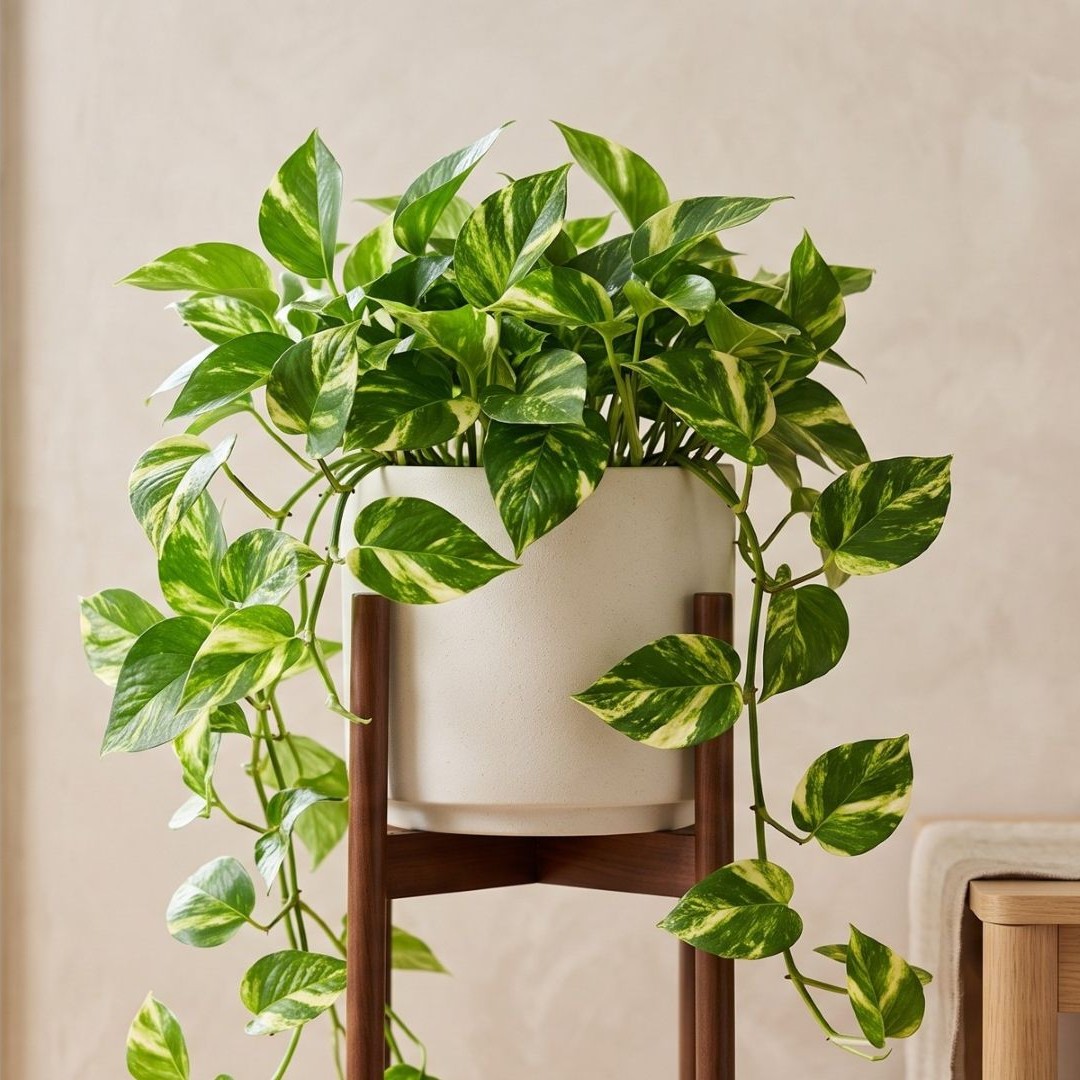
The Golden Pothos (Epipremnum aureum) is one of the most popular trailing houseplants in the world. Its cascading vines and bright, heart-shaped foliage, can bring a touch of the tropics to any indoor space. The Golden Pothos can be grown easily even by a complete beginner.
Golden Pothos Overview
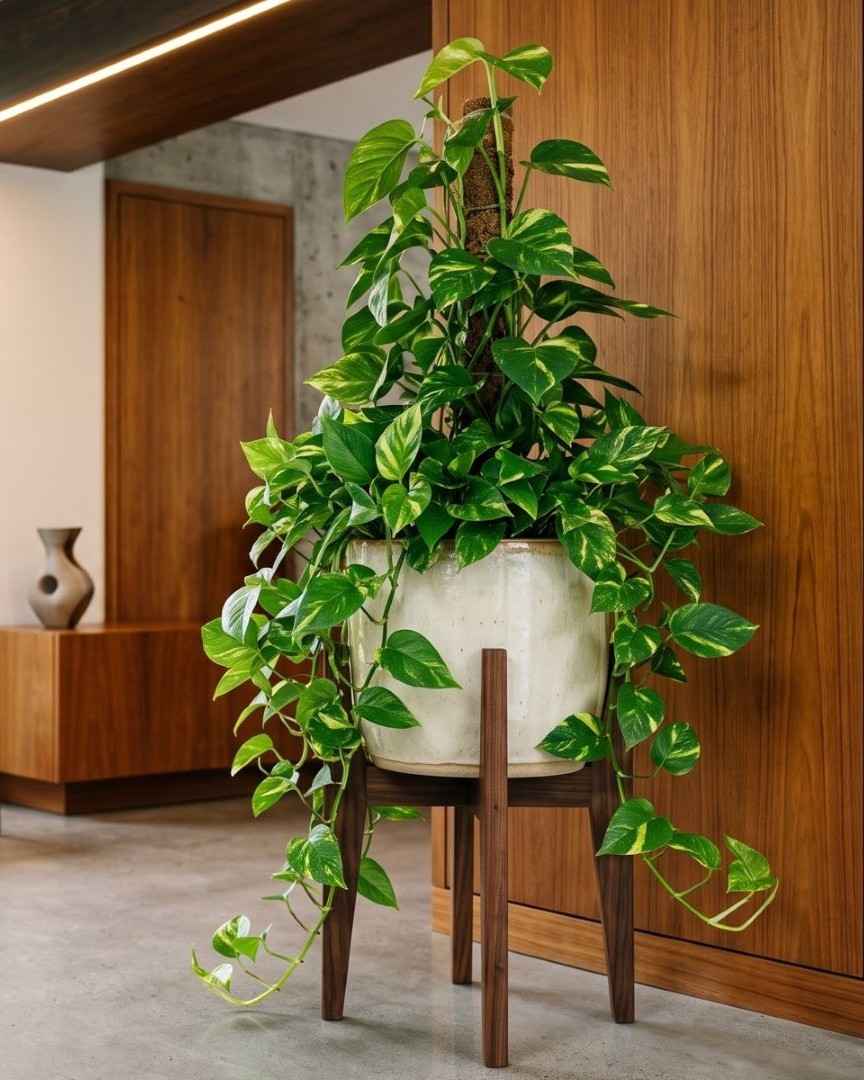
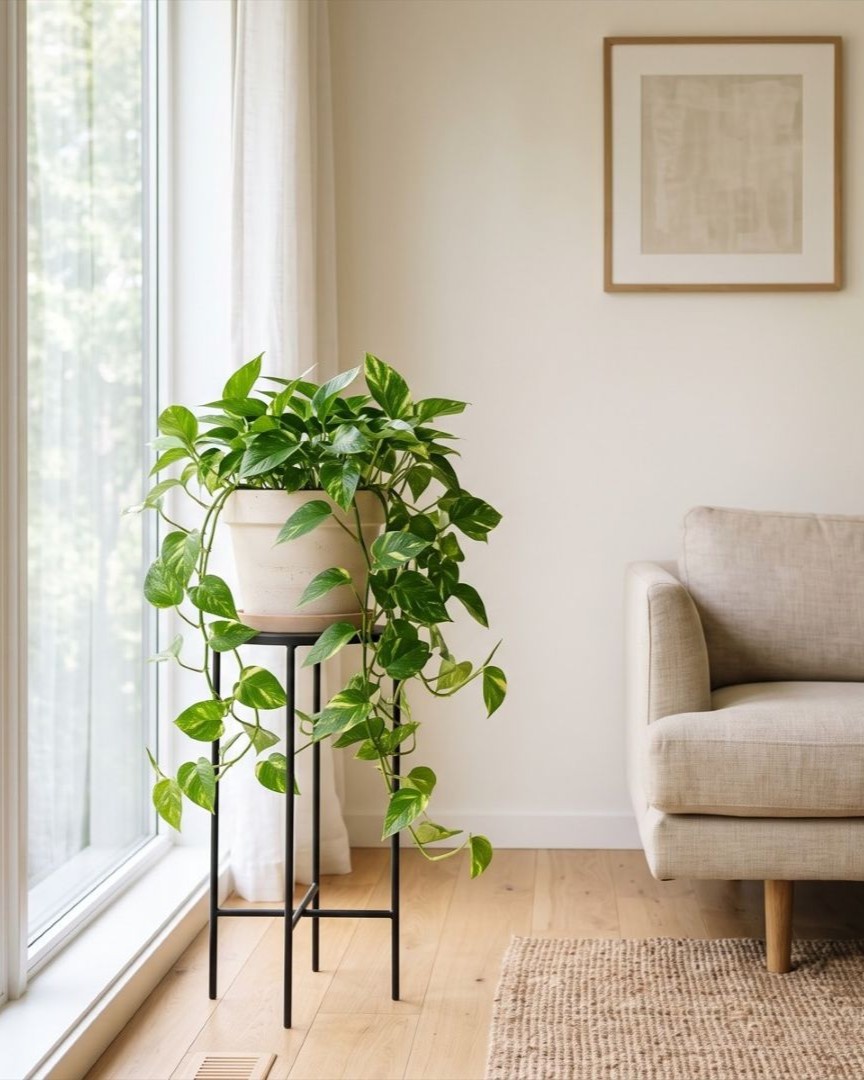
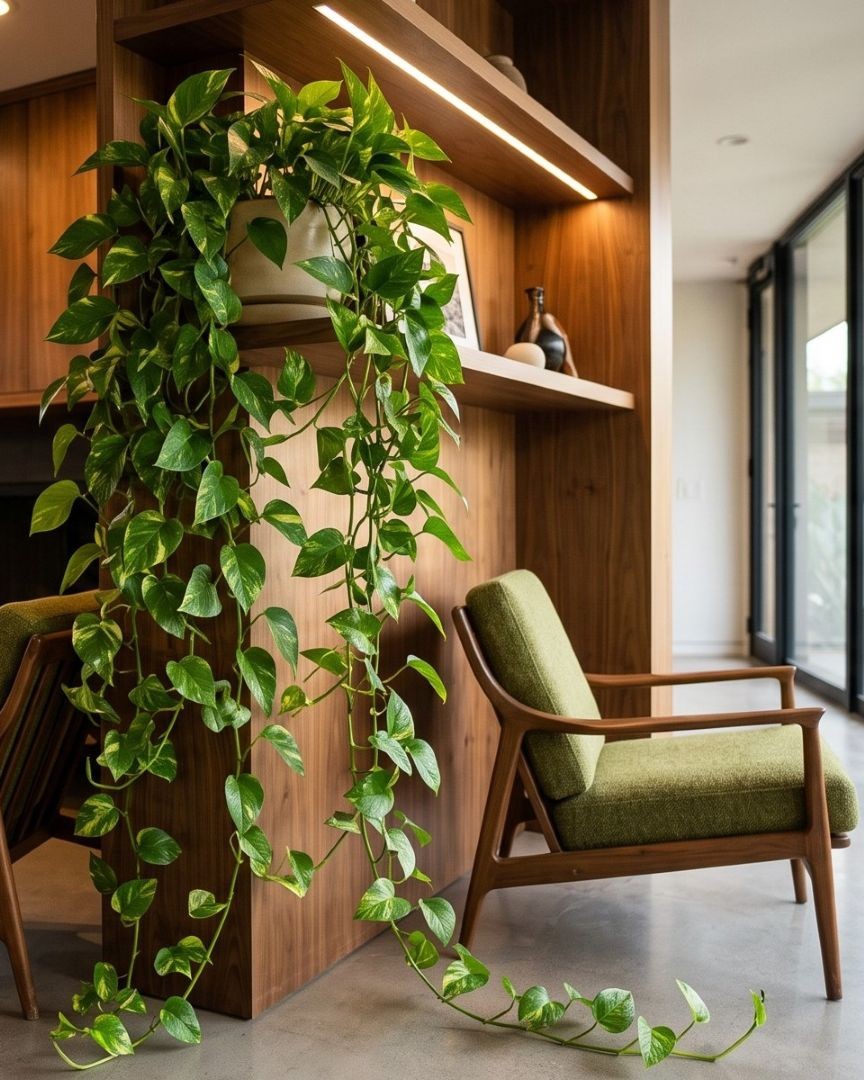
This plant comes from the Society Islands of French Polynesia but it grows very well inside homes all over the world. In its natural tropical habitat, it climbs tall trees using aerial roots and develops massive, split leaves. Indoors, it generally remains in its juvenile phase, producing beautiful, waxy, heart-shaped leaves that trail gracefully down shelves or climb up moss poles.
Its remarkable ability to survive in both low light and bright spaces has earned it the nickname “Devil’s Ivy,” as it is nearly impossible to kill and stays vibrantly green even in darker conditions.
Key Features of Epipremnum aureum
| Feature | Details |
|---|---|
| Botanical Name | Epipremnum aureum |
| Common Name | Golden Pothos, Devil’s Ivy, Money Plant, Ceylon Creeper |
| Plant Type | Evergreen trailing/climbing vine |
| Mature Size | 6 to 10+ feet indoors (can reach 40+ feet outdoors) |
| Growth Habit | Trailing or climbing |
| Growth Rate | Fast |
| Leaf Appearance | Waxy, heart-shaped, glossy green with yellow/gold variegation |
| Toxicity | Toxic to humans, dogs, and cats |
CARE GUIDE
The Golden Pothos is famous for its “plant-and-forget” nature. It grows well in many different indoor spaces, making it the ultimate low-maintenance houseplant. While it can survive neglect, providing it with its preferred conditions will encourage faster growth and more striking leaf variegation.

Light Requirement & Placement
Epipremnum aureum prefers bright, indirect light, which encourages the beautiful golden marbling on its leaves to emerge fully. However, it is highly tolerant of low-light conditions (such as windowless offices with fluorescent lighting) and partial shade. The only lighting to strictly avoid is harsh, direct midday sun, which can scorch the leaves and wash out their color.

Water & Humidity
Allow the top 1 to 2 inches of soil to dry out completely between waterings. Pothos prefer to be slightly underwatered rather than overwatered; if the leaves start to dramatically droop, it is usually a sign that it’s thirsty, and it will perk right back up after a good soak. While they appreciate higher humidity (around 50-70%), they adapt perfectly well to standard household humidity levels.

Temperature
Since they are tropical plants, they thrive in typical indoor room temperatures ranging between 65°F and 85°F (18°C – 29°C). Keep them away from drafty windows during the winter and avoid placing them directly next to air conditioning vents or space heaters. Long exposure to temperatures below 50°F (10°C) can cause damage to the plant.
Soil & Nutrition
Plant your Pothos in a high-quality, well-draining potting mix.
Styling With Golden Pothos
Troubleshooting Common Issues with Your Epipremnum aureum
Even tough plants can get sick. Here is how to fix common Pothos problems:
Yellowing Leaves: This is almost always a sign of overwatering or poor soil drainage. Make sure the pot has drainage holes and let the soil dry out before watering again. (Note: An occasional yellow leaf near the base is just natural aging).
Brown, Crispy Leaf Tips: Usually indicates that the air is too dry (low humidity) or the plant is mostly underwatered.
Loss of Variegation (Reverting to solid green): The plant isn’t getting enough light. Move it closer to a window, and the new growth should emerge with its golden/white patterns again.
Leggy Vines (Long stems with few leaves): This happens when the plant is reaching for a light source. Trim the leggy vines back (you can propagate the cuttings!) and move the plant to a brighter location to encourage bushier growth.